The Story Of Ice Wine
Few wines capture the imagination like Ice Wine. Its origin feels almost accidental, born when early German winemakers discovered that grapes left on the vine after a sudden frost produced juice so concentrated and sweet that it tasted like liquid gold. Since then, Ice Wine has become one of the most luxurious styles in the world—a dessert wine prized for its natural intensity, rarity, and unmistakable elegance. But what is Ice Wine, and why does it hold such a special place among sweet wines?
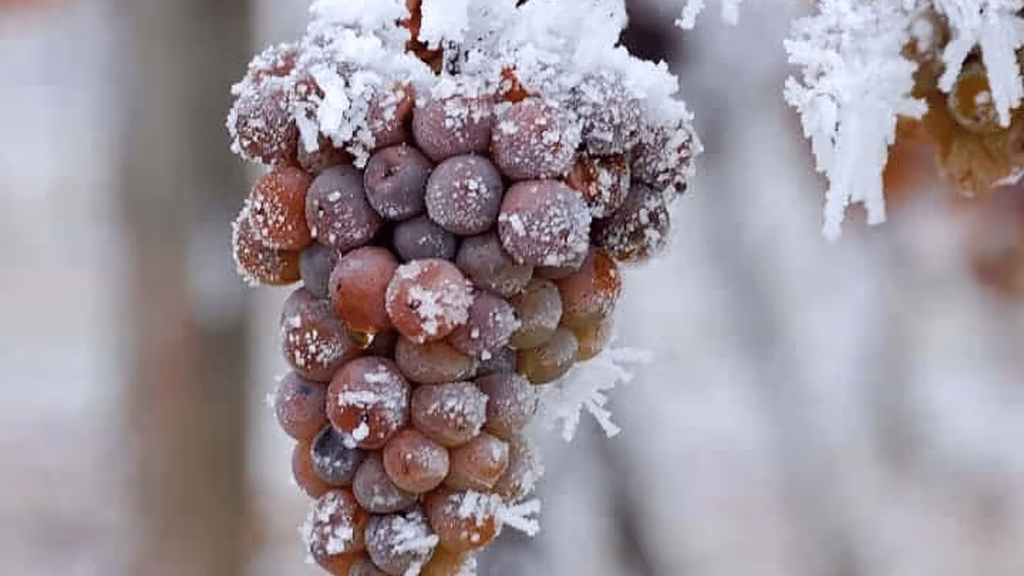
To understand what is Ice Wine, picture grapes ripening deep into winter. While most vineyards harvest in autumn, Ice Wine producers wait until temperatures drop below freezing—usually around 17°F or –8°C. The frozen grapes are picked by hand in the early morning hours, often before sunrise, and pressed while still frozen solid. The ice crystals remain in the press, leaving behind a few drops of intensely sweet juice that becomes the foundation of this remarkable wine. The yield is tiny, which explains why Ice Wine is both rare and expensive.
Each drop of Ice Wine tells a story of patience and precision. Because the grapes are harvested under such extreme conditions, every vintage depends entirely on the weather. In some years, producers never make any at all. When the conditions are perfect, the result is a wine bursting with flavors of apricot, peach, and honey, balanced by a crisp acidity that prevents it from feeling heavy. That contrast—sweetness balanced by freshness—is what defines Ice Wine and makes it unlike any other dessert wine on earth.
For those eager to taste this style without hunting for a rare bottle, the Sweet Wine Club offers curated selections that often include premium dessert wines like Ice Wine, Moscato, and late-harvest Riesling. To learn how Ice Wine compares to other festive favorites, see our guide on Best Sweet Wines for the Holidays. Both showcase the art of sweetness and the craftsmanship behind every bottle.
From icy vineyards to golden glasses, Ice Wine embodies nature’s generosity and the winemaker’s patience. Understanding what is Ice Wine reveals more than how it’s made—it shows why this remarkable creation continues to fascinate collectors, sommeliers, and wine lovers worldwide.

How Ice Wine Is Made
To appreciate what makes this style so extraordinary, it helps to look closely at how Ice Wine is made. The process is one of nature’s most dramatic collaborations with the winemaker. Grapes remain on the vine far longer than in traditional harvests, enduring frost, snow, and even wildlife before they are finally picked. This extended hang time allows sugars and flavors to concentrate as water inside the grapes freezes. The question what is Ice Wine begins to find its answer here—in the perfect combination of freezing temperatures, patient timing, and masterful craftsmanship.
The harvest. Ice Wine can only be made when nature cooperates. Temperatures must reach at least 17°F (–8°C) and stay there long enough for the grapes to freeze completely. The fruit is hand-harvested before sunrise, while still rock solid. Because frozen grapes yield only a small amount of juice, it can take an entire vine to produce a single glass of finished wine. This limited yield explains both the high price and the incredible concentration that defines the style.
The pressing and fermentation. Once the grapes are picked, they are immediately pressed while still frozen. The ice crystals remain behind in the press, leaving an intensely sweet, syrupy juice rich in natural sugars and acidity. This concentrated nectar ferments slowly over several months at low temperatures. The result is a wine that balances sweetness with vibrancy—a hallmark of every great Ice Wine. Each bottle answers the question what is Ice Wine by revealing just how much work goes into a single drop.
The artistry. Because production depends so heavily on weather, Ice Wine is made in small quantities only in select regions such as Canada, Germany, and parts of New York and Washington. Each region’s microclimate and grape variety create subtle differences in style, from bright and citrusy to rich and honeyed. To experience the diversity of these regions, explore the Premium Wine Club, which includes outstanding dessert wines from around the world.
Serving this delicate style correctly enhances every nuance of flavor. For guidance on temperature, presentation, and glassware, see our post on How to Serve Sweet Wine. Understanding each detail brings you closer to the complete picture of what is Ice Wine and why it remains one of the world’s most captivating wines.
Tasting Notes And Sweetness Levels
The easiest way to understand what is Ice Wine is to taste it. Every sip offers a balance of lush sweetness and crisp acidity that feels both indulgent and refreshing. It’s a wine that commands attention—complex, fragrant, and endlessly expressive. The magic lies in its purity: nothing added, nothing taken away, just the essence of perfectly frozen grapes transformed into liquid gold.
Color and aroma. Ice Wine glows in shades of amber and gold, shimmering in the glass like sunlight through honey. The aroma alone reveals its depth—ripe peach, apricot, tropical fruit, and subtle notes of citrus zest. Depending on the grape variety, you may also notice layers of mango, pineapple, or orange blossom. These concentrated aromas immediately tell the drinker that Ice Wine is unlike any other sweet wine in the world.
Flavor and texture. On the palate, Ice Wine is rich yet balanced. Its natural acidity prevents the sweetness from ever becoming heavy. The first sip is silky and full, followed by bright fruit tones that linger long after you swallow. Each style provides a different take on the same question—what is Ice Wine—as Riesling-based versions offer citrusy energy while Vidal and Cabernet Franc Ice Wines show deeper fruit and spice.
Sweetness levels. Ice Wine typically measures between one-hundred and two-hundred grams of residual sugar per liter, similar to a fine Sauternes. Yet despite its richness, it remains clean and vibrant. The sweetness is never cloying because acidity acts as the counterweight, delivering balance that defines excellence. To taste Ice Wine at its finest, explore the 90 Point Club, where highly rated bottles demonstrate how sweetness and structure achieve perfect harmony.
For dessert lovers, Ice Wine pairs effortlessly with creamy custards, fruit tarts, and even blue cheese. Each pairing reveals a new facet of its complexity. To see how these desserts enhance the wine’s brightness, visit our post on Best Sweet Wines for the Holidays for ideas that make every tasting feel like a celebration.
Once you experience it firsthand, the answer to what is Ice Wine becomes clear—it’s not just a drink, it’s a moment. The precision of nature and craftsmanship combine in every glass, creating an expression of sweetness that feels timeless.
How To Serve And Pair Ice Wine
Now that you understand what is Ice Wine and how it’s made, the next step is learning how to serve and enjoy it properly. Ice Wine’s complexity shines brightest when handled with care. Because it’s naturally rich and concentrated, the way you chill, pour, and pair it will determine how the flavors unfold in the glass. Serving it correctly ensures every drop delivers the full experience that makes this wine so special.
Ideal serving temperature. Chill Ice Wine to about forty-five to fifty degrees before serving. Cooler temperatures highlight the fruit and keep sweetness lively, while excessive cold can mute the aroma. Pour small two-to-three-ounce portions into narrow tulip-shaped glasses. This shape concentrates the bouquet and allows the wine’s golden color to sparkle. Once poured, give it a few minutes to breathe—the warmth of the room will slowly release deeper layers of fruit and honey.
Perfect pairings. Ice Wine is a natural companion for desserts but also pairs beautifully with savory dishes. Serve it alongside crème brûlée, lemon tart, or cheesecake for an unforgettable finish. For something unexpected, try it with salty blue cheese, foie gras, or spiced nuts—the contrast between sweetness and salt is exquisite. These combinations reveal the answer to what is Ice Wine in real time: a wine that elevates food by balancing richness with freshness.
Serving tips for special occasions. When pouring for guests, keep the bottle chilled in an ice bucket between servings. Its bold character means a little goes a long way. If you’re planning a dinner or holiday event, consider presenting Ice Wine as the grand finale to your menu. It pairs seamlessly with both festive desserts and conversation, leaving a lasting impression that defines fine entertaining.
To explore wines that perform beautifully in dessert pairings, join the Sweet Wine Club for versatile bottles ready to pour year-round. For refined selections designed for gifting or special occasions, the Premium Wine Club delivers exceptional dessert wines worth savoring. For expert serving ideas that expand beyond Ice Wine, see our detailed guide on How to Serve Sweet Wine for practical tips and elegant presentation ideas.
How To Serve And Pair Ice Wine
Now that you understand what is Ice Wine and how it’s made, the next step is learning how to serve and enjoy it properly. Ice Wine’s complexity shines brightest when handled with care. Because it’s naturally rich and concentrated, the way you chill, pour, and pair it will determine how the flavors unfold in the glass. Serving it correctly ensures every drop delivers the full experience that makes this wine so special.
Ideal serving temperature. Chill Ice Wine to about forty-five to fifty degrees before serving. Cooler temperatures highlight the fruit and keep sweetness lively, while excessive cold can mute the aroma. Pour small two-to-three-ounce portions into narrow tulip-shaped glasses. This shape concentrates the bouquet and allows the wine’s golden color to sparkle. Once poured, give it a few minutes to breathe—the warmth of the room will slowly release deeper layers of fruit and honey.
Perfect pairings. Ice Wine is a natural companion for desserts but also pairs beautifully with savory dishes. Serve it alongside crème brûlée, lemon tart, or cheesecake for an unforgettable finish. For something unexpected, try it with salty blue cheese, foie gras, or spiced nuts—the contrast between sweetness and salt is exquisite. These combinations reveal the answer to what is Ice Wine in real time: a wine that elevates food by balancing richness with freshness.
Serving tips for special occasions. When pouring for guests, keep the bottle chilled in an ice bucket between servings. Its bold character means a little goes a long way. If you’re planning a dinner or holiday event, consider presenting Ice Wine as the grand finale to your menu. It pairs seamlessly with both festive desserts and conversation, leaving a lasting impression that defines fine entertaining.
To explore wines that perform beautifully in dessert pairings, join the Sweet Wine Club for versatile bottles ready to pour year-round. For refined selections designed for gifting or special occasions, the Premium Wine Club delivers exceptional dessert wines worth savoring. For expert serving ideas that expand beyond Ice Wine, see our detailed guide on How to Serve Sweet Wine for practical tips and elegant presentation ideas.
Q: What is Ice Wine?
A: Ice Wine is a rare dessert wine made from grapes that freeze naturally on the vine. When pressed while frozen, the juice becomes concentrated and produces a wine with rich sweetness balanced by refreshing acidity.
Q: How is Ice Wine different from other sweet wines?
A: Unlike late-harvest or fortified wines, Ice Wine relies entirely on natural freezing. The process intensifies flavor without added sugar or alcohol, giving a pure expression of fruit and sweetness.
Q: Why is Ice Wine so expensive?
A: Production requires freezing temperatures and hand harvesting, often before sunrise. The yield is tiny sometimes only a few drops per grape making it one of the most labor-intensive wines in the world.
Q: What does Ice Wine taste like?
A: Expect aromas of peach, apricot, and honey, followed by vibrant fruit and a crisp finish. Its sweetness is rich but never heavy, thanks to natural acidity.
Q: How should Ice Wine be served?
A: Chill to forty-five to fifty degrees and pour small two- to three-ounce servings in narrow tulip-shaped glasses. The shape concentrates aroma and preserves freshness.
Q: What food pairs best with Ice Wine?
A: Classic pairings include fruit tarts, crème brûlée, cheesecake, and blue cheese. It also pairs beautifully with salty or spicy foods that contrast the wine’s sweetness.
Q: Where can I buy quality Ice Wine?
A: The Sweet Wine Club features curated dessert wines, including authentic Ice Wine from leading producers. Premium and International Wine Clubs also offer world-class bottles perfect for gifting or collecting.
For expert reviews and insights on Ice Wine production and serving, visit Wine Spectator.