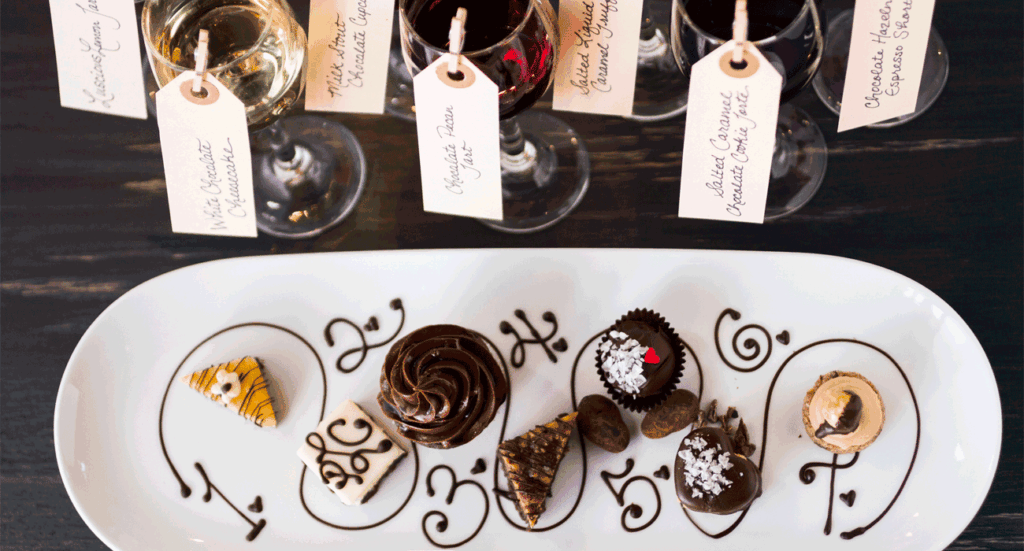
The Magic Of Sweet Wine And Dessert Pairings
There is something unforgettable about the way sweet wine and dessert pairings can transform a simple meal into an experience. The gentle sweetness of the wine, the texture of the dessert, and the shared pleasure of a perfect match make every bite feel special. From golden Moscato with fruit tarts to rich Ice Wine beside dark chocolate, the right pairing turns a good evening into a celebration.
For anyone who enjoys entertaining, mastering sweet wine and dessert pairings is the simplest way to elevate the final course of any meal.
Learning how to approach sweet wine and dessert pairings is all about balance. Too much sweetness on both sides can feel heavy, while pairing a lighter wine with a rich dessert can make the wine disappear. The goal is harmony—fruit, acidity, and sweetness working together. Once you understand the relationship between body, sugar level, and flavor, choosing the right bottle becomes easy.
For beginners, start with versatile wines that pair beautifully with many desserts. Riesling brings a bright, citrus lift that refreshes between bites of creamy cheesecake or lemon tart. Moscato adds a floral, peachy charm to lighter pastries and fruit dishes. For something more indulgent, try a late harvest red or fortified dessert wine with chocolate cake or brownie desserts—the depth of flavor mirrors the richness of the treat without overpowering it.
To make it even easier, the Sweet Wine Club delivers bottles designed for perfect dessert harmony. Each shipment includes selections that complement fruit-based sweets, chocolate delicacies, and holiday pastries. If you are ready to plan your next gathering, our guide on How To Serve Sweet Wine offers temperature and glassware tips that will make every pairing taste its best.
When the wine, dessert, and company all align, the result is pure comfort—a finish to a meal that feels warm, complete, and entirely satisfying. Sweet wine and dessert pairings remind us that small details create lasting memories, and that the final course can be just as memorable as the first sip.
Dessert Types And Best Sweet Wine Pairings
When planning sweet wine and dessert pairings, the key is to think about the dessert’s base flavor, texture, and sweetness level. Matching a wine to a dessert is a little like matching personalities—opposites can attract, but balance keeps the relationship strong. Pair lighter wines with delicate desserts and richer wines with bolder flavors so that no single element steals the spotlight.
Fruit-based desserts. Dishes like fruit tarts, poached pears, or strawberry shortcake pair best with wines that mirror their brightness and acidity. Moscato d’Asti and late-harvest Riesling both highlight fresh fruit while adding a touch of honey and citrus. The subtle fizz of Moscato keeps things refreshing, while Riesling’s crisp edge prevents the pairing from feeling overly sweet.
Creamy desserts. Cheesecake, custards, or panna cotta call for a wine that cuts through richness. Look for wines with natural acidity and floral notes such as Sauternes or Ice Wine. The gentle contrast keeps every spoonful lively. A late-harvest Gewürztraminer also works beautifully—its spice and lychee aromas echo the cream’s texture while adding complexity.
Chocolate desserts. When pairing chocolate, depth matters. Dark chocolate or truffles need a full-bodied companion such as a sweet red blend, Tawny Port, or fortified Zinfandel. The wine’s berry and caramel tones melt seamlessly into the chocolate’s bitterness. Milk-chocolate sweets and brownies pair best with red wines that have a soft, velvety feel.
Nut-based and spiced desserts. Think pecan pie, baklava, or pumpkin spice cake. These crave wines with warmth—late-harvest reds, Tokaji, or an aged Ice Wine can bring out brown-sugar and cinnamon notes that make the dessert shine.
For an effortless way to explore these combinations, the Premium Wine Club offers selections chosen for versatility and crowd appeal. You can rotate bottles through every season’s favorite sweets without guessing which will work best. For more festive inspiration, revisit Best Sweet Wines for the Holidays and discover new pairings perfect for the dessert table.
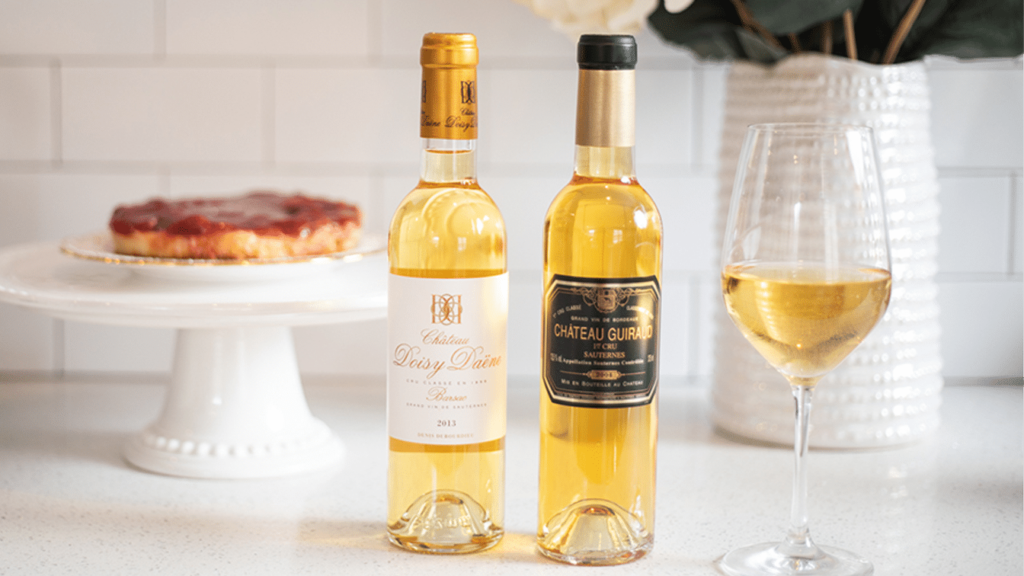
Texture And Flavor Balance In Sweet Wine And Dessert Pairings
When it comes to sweet wine and dessert pairings, texture and balance are what separate a pleasant match from a memorable one. Each sip and bite should complement the other without one overpowering the experience. Think of it as harmony—sweetness, acidity, and mouthfeel working together to create a finish that lingers long after the last taste.
This principle holds true across all sweet wine and dessert pairings, whether you prefer fruit tarts, custards, or rich chocolate desserts.
Balance sweetness with acidity. The wine should always be at least as sweet as the dessert, or it can seem flat or even bitter. A sweet wine with good acidity refreshes the palate and prevents heaviness. This is why wines like Riesling, Moscato, or late-harvest Sauvignon Blanc work so beautifully with creamy or dense desserts—they brighten and cleanse between bites, allowing flavors to shine.
Match body and texture. Light, airy desserts need equally delicate wines, while dense or sticky desserts benefit from wines with richer texture. A fruit mousse or angel food cake pairs best with lightly sparkling Moscato or Ice Wine, while a rich chocolate tart or caramel flan deserves something bolder such as a fortified red or a vintage-style Port. The goal is symmetry—the wine and dessert should feel like two voices in the same song.
Consider temperature and serving order. Sweet wines served slightly chilled—around forty five to fifty degrees—accentuate fruit and floral tones that complement most desserts. Always serve lighter wines before heavier ones so that guests experience layers of sweetness without palate fatigue. If you are hosting a tasting, start with fruit-based pairings, move to creamy or spiced desserts, and finish with rich chocolate or nut-based dishes. This simple structure keeps the progression enjoyable and balanced.
When quality matters most, explore the 90 Point Club for exceptional bottles rated for their precision and flavor balance. These wines demonstrate how expert winemaking elevates dessert pairing from casual indulgence to fine dining. You can also revisit our guide on How To Serve Sweet Wine to ensure every glass hits the perfect temperature and texture for the dessert you choose.
Shop All Our Wine Club Subscriptions
Hosting And Presentation Tips For Sweet Wine And Dessert Pairings
Hosting a dessert and wine gathering is one of the most enjoyable ways to share your love of sweet wine and dessert pairings. With a little planning and thoughtful presentation, you can turn an ordinary evening into a memorable tasting experience. The right atmosphere, glassware, and serving order make a big difference in how each flavor is perceived.
Set the mood with lighting and layout. Soft lighting and a clean table setting allow both the desserts and the wines to shine. Use neutral plates to let colors stand out—golden wines look especially elegant beside fruit tarts, chocolate cakes, and holiday pastries. Group desserts by flavor intensity so guests can move naturally from lighter fruit-based dishes to richer chocolate or nut desserts. This sequence mirrors how the palate adjusts and helps highlight the wine’s evolving sweetness.
Serve in the right order. Always begin with the lightest pairings—fresh fruit, sorbet, or mousse—and progress to heavier sweets such as cheesecake or chocolate torte. Serve lighter wines first, like Moscato or Riesling, followed by fuller-bodied or fortified wines. This gentle progression maintains energy and excitement throughout the tasting and keeps the balance between acidity and sweetness intact.
Offer variety and engagement. Guests love discovery. Provide a small tasting card with notes about each wine and suggested desserts. Encourage them to compare how different wines interact with the same dish. The contrast between a crisp Riesling and a dense chocolate cake can be eye-opening. Sharing these experiences creates conversation and helps guests understand what makes sweet wine and dessert pairings so rewarding.
Make it easy to recreate at home. To offer the same experience beyond the event, recommend clubs that deliver wines suited to dessert pairing. The Sweet Wine Club is ideal for newcomers who want versatile bottles ready to pour. The Premium Wine Club offers elegant options for refined dinners, and the 90 Point Club provides expertly rated bottles perfect for special occasions.
Hosting with confidence means anticipating the details that make guests feel at ease. With balanced pairings, good pacing, and great wine, you turn every dessert course into a celebration worth remembering. To plan your next event with seasonal inspiration, browse our post on Best Sweet Wines for the Holidays for flavor ideas that will impress every guest.
More Sweet Wine And Dessert Pairings To Explore
Once you begin exploring sweet wine and dessert pairings, you realize there is no single rule—only discovery. Every season brings new flavors, textures, and creative combinations worth trying. The best part is that these pairings are not reserved for holidays or special dinners. With a few ideas and the right bottles, you can enjoy them anytime of year.
Try lighter pairings for warm weather. During spring and summer, fruit-forward desserts shine. A chilled glass of Moscato with lemon tart, peach cobbler, or berry shortcake captures the freshness of the season. Riesling works beautifully with citrus sorbet or pavlova, offering brightness and lift. When the temperature rises, lighter wines and fruit-based sweets are unbeatable.
Explore richer combinations in cooler months. As the weather cools, deeper flavors come into play. Pair late-harvest reds or fortified wines with chocolate lava cake, pecan pie, or bread pudding. The warmth of these wines mirrors the richness of the desserts, creating comfort and depth in every bite. Ice Wine adds a luxurious touch to holiday cookies and nut-based pastries.
Use texture to create interest. Try pairing crisp wines with creamy desserts or dense sweets with smooth, viscous wines. This contrast brings balance and keeps the tasting experience engaging. A sparkling Moscato with a silky mousse or a caramel-forward dessert wine with flaky pastry are small adjustments that make a big impact.
To keep exploring new pairings without guesswork, the Sweet Wine Club delivers ready-to-pair selections throughout the year. For international flavors and unique dessert matches, the International Wine Club introduces rare bottles from around the world. And for bold reds that pair beautifully with chocolate, visit our post on Best Sweet Red Wines to find wines that make dessert the highlight of the evening.
Keep experimenting with new sweet wine and dessert pairings to find your own signature combinations that guests will remember.
For additional expert guidance on temperature, glassware, and storage, visit Wine Spectator.
Q: What are the best sweet wine and dessert pairings?
A: Some of the best pairings include Moscato with fruit tarts, Riesling with cheesecake, and late-harvest red wine with chocolate desserts. Each pairing balances sweetness and texture for a smooth, memorable finish.
Q: Can you pair sweet wine with chocolate?
A: Absolutely. Dark chocolate pairs best with full-bodied sweet reds such as Zinfandel or Port, while milk chocolate desserts complement lighter, fruit-forward wines like a sweet Merlot or red blend.
Q: Should sweet wine be sweeter than the dessert?
A: Yes. The wine should always be slightly sweeter than the dessert to avoid tasting flat or bitter. A balanced pairing lets both the wine and dessert shine without overpowering each other.
Q: What temperature is best for serving sweet wine with dessert?
A: Serve most sweet wines chilled, between forty-five and fifty degrees. Cooler temperatures enhance fruit aromas and keep the sweetness lively, especially with creamy or chocolate desserts.
Q: What glass should you use for dessert wine?
A: Use a small tulip-shaped glass that narrows at the rim. It focuses the wine’s aroma and directs flavor to the tip of the tongue, where sweetness is most appreciated.
Q: Which sweet wine works best for creamy desserts?
A: Ice Wine or Sauternes are ideal for custards, cheesecake, or panna cotta. Their acidity cuts through the richness and leaves a refreshing finish.
Q: How can I find wines that pair well with desserts year-round?
A: The Sweet Wine Club offers curated bottles that match perfectly with desserts for every season, from light fruit sweets in summer to rich chocolate desserts in winter.