
Understanding the Difference Between Prosecco and Sparkling Wine
Whether you’re celebrating a milestone or enjoying a quiet night in, nothing signals a special occasion like the pop of a cork. But when you browse wine shelves, you’ll notice that not every bottle of bubbles carries the same name—or price tag. That’s where understanding Prosecco vs sparkling wine becomes essential. Both share the same sparkle, yet their origins, production methods, and flavor profiles set them apart in fascinating ways.
Prosecco hails from Italy’s Veneto region and is made primarily from the Glera grape. Its character is bright, fruity, and approachable—an easygoing expression of Italian charm. By contrast, the broader category of sparkling wine can include bottles from anywhere in the world, crafted with different grapes and techniques. These wines range from French Crémant to California Brut, each with unique character and texture.
The difference between Prosecco vs sparkling wine goes deeper than geography. Prosecco is produced using the Charmat method, which ferments the wine in stainless-steel tanks to preserve fresh fruit flavors. Other sparkling wines—such as traditional-method bottles from France or Spain—undergo a second fermentation inside the bottle, giving them richer texture and toasty complexity. Understanding these contrasts helps you choose the right bottle for every occasion, from casual brunch to formal dinner.
Prosecco’s naturally light body and playful bubbles make it an ideal companion for appetizers, seafood, or fruit-based desserts. It’s also a favorite for easy cocktails like mimosas and Bellinis, offering great flavor without the premium price tag of Champagne. For those eager to explore Italian sparkling styles at home, our Sparkling Wine Club features hand-selected Prosecco and sparkling wines perfect for every celebration.
In this guide, we’ll break down how Prosecco vs sparkling wine differ in taste, production, and price—and how to pick the best bottle for your palate and budget. If you’ve ever wondered whether Prosecco counts as a sparkling wine (spoiler: it does), you’re about to discover what makes each style so uniquely enjoyable. For a closer look at how Prosecco compares with Champagne, see our detailed Prosecco vs Champagne article.

Production Methods: How Prosecco and Sparkling Wine Are Made
The biggest distinction between Prosecco vs sparkling wine lies in how those bubbles are created. While all sparkling wines share the same effervescent charm, the method of fermentation dramatically affects texture, flavor, and even price. Understanding these processes helps explain why a bottle of Prosecco tastes fresh and fruity, while another sparkling wine might lean rich and toasty.
Prosecco and the Charmat Method
Prosecco is crafted using the Charmat or tank method, where its secondary fermentation takes place in large pressurized tanks. This approach preserves the natural fruitiness of the Glera grape and produces the light, crisp bubbles that define its signature style. Because the wine doesn’t age on the lees (yeast sediment), it maintains a bright and lively profile—perfect for brunches, celebrations, or casual sipping. This fresh character is one reason people often prefer Prosecco when comparing Prosecco vs sparkling wine.
Sparkling Wine and the Traditional Method
Many other sparkling wines, including Champagne and certain California or Spanish bottlings, are made using the Traditional Method (also known as the Méthode Champenoise). Here, the secondary fermentation occurs inside each bottle, allowing the wine to age on its lees for months or years. The result is a deeper, creamier mouthfeel with hints of brioche, almond, and toast—flavors that contrast sharply with Prosecco’s playful fruit-forward style.
Quality and Time Investment
Because the Charmat method is faster and less labor-intensive, Prosecco is typically more affordable. Traditional-method wines, by comparison, require more time and precision, which often explains their higher price tags. Neither process is “better”—they simply cater to different preferences. Lovers of crisp, fruity wines gravitate toward Prosecco, while fans of complexity and richness lean toward traditional sparkling wines.
To taste the difference for yourself, explore the Premium Wine Club, which features both Prosecco and international sparkling wines selected for quality and balance. You can also discover exciting alternatives in our Sparkling Wine Club, where every shipment highlights unique bottles that define the charm of Prosecco vs sparkling wine from around the world.
Flavor Profiles: Comparing Taste and Texture
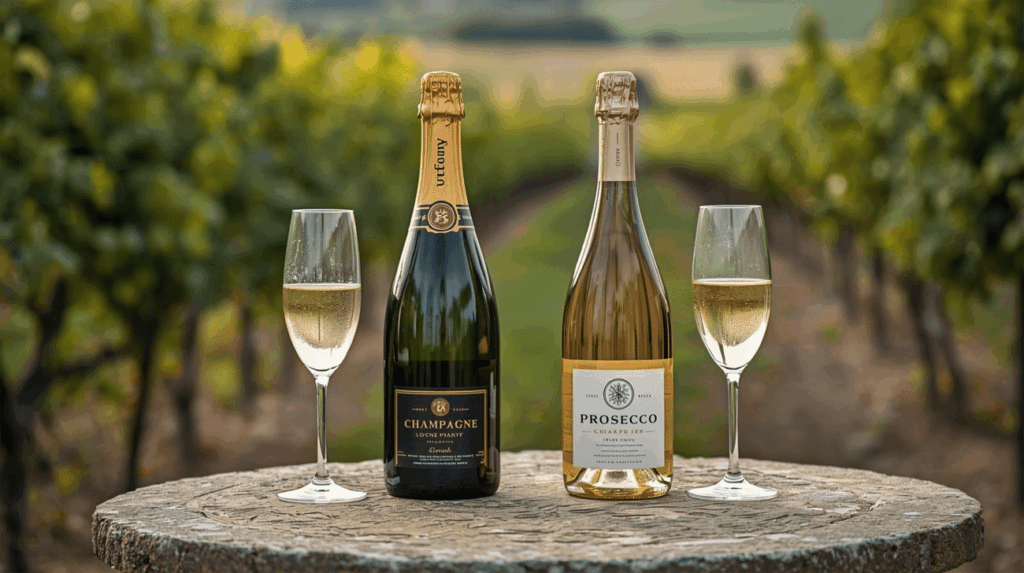
One of the easiest ways to tell the difference between Prosecco vs sparkling wine is by the way each tastes. The production method and grapes behind every bottle create completely distinct personalities—one light and fruity, the other layered and complex. Knowing these flavor cues helps you pick the perfect bubbles for any mood or menu.
The Bright, Fruit-Driven Style of Prosecco
Prosecco’s identity is rooted in freshness. Expect lively notes of green apple, pear, peach, and white flowers, often with a subtle hint of almond on the finish. Its delicate bubbles and crisp acidity make it an ideal aperitif or brunch companion. When comparing Prosecco vs sparkling wine, Prosecco wins on accessibility—it’s immediately inviting, uncomplicated, and consistently delicious.
The Nuanced Depth of Sparkling Wine
Sparkling wines made outside Italy vary widely, but many share a richer, toastier edge thanks to aging on the lees. You might notice aromas of brioche, roasted nuts, or buttered pastry layered over citrus and stone fruit. These flavors give traditional-method wines a creamy texture and longer finish—making them ideal for formal dinners or pairings with seafood and poultry. Fans who appreciate subtle complexity often prefer these styles when exploring Prosecco vs sparkling wine differences.
Sweetness Levels and Pairing Versatility
Both Prosecco and other sparkling wines range from bone-dry Brut to softly sweet Demi-Sec. Dry styles highlight crisp fruit, while sweeter bottles add roundness and richness. This flexibility makes sparkling wine universally food-friendly, whether you’re serving sushi, soft cheeses, or desserts. Prosecco’s fruit-forward profile shines with lighter dishes, while traditional sparklers complement buttery or savory flavors. Choosing based on sweetness ensures you always serve the right wine for your guests—one of the key lessons in comparing Prosecco vs sparkling wine.
For an effortless way to taste both styles side by side, explore our Sweet Wine Club or Premium Wine Club. Each shipment features expertly curated bottles that highlight the essential contrasts between Prosecco vs sparkling wine and help you discover your personal favorite.
Shop All Our Wine Club Subscriptions
Price, Value & Occasions: When to Choose Each
When comparing Prosecco vs sparkling wine, price often becomes the deciding factor—but value isn’t just about cost. Each style offers its own advantages depending on the moment you’re celebrating, your menu, and your budget. Knowing when to reach for one or the other can elevate any occasion from simple to spectacular.
Prosecco: Everyday Luxury
Prosecco delivers remarkable quality for its price. Because it’s made using the efficient Charmat method, producers can offer vibrant, fruit-forward bottles at friendly price points. A good Prosecco typically costs between $15 and $25, making it an affordable indulgence for brunches, birthdays, or casual gatherings. Its easy-drinking nature and cheerful bubbles make it a favorite choice in the Prosecco vs sparkling wine conversation when you want festive flair without stretching the budget.
Sparkling Wine: For Special Moments
Traditional-method sparkling wines, including Champagne, tend to be pricier because they require more time and labor. That investment translates into finer bubbles, richer texture, and greater aging potential. Expect to pay $30–$60 for quality non-Champagne sparkling wines, and much more for top-tier French labels. These bottles shine during anniversaries, weddings, and elegant dinners—moments when nuance and complexity take center stage in the ongoing story of Prosecco vs sparkling wine.
Matching Occasions to Style
Think of Prosecco as your go-to for daytime gatherings, light meals, and spontaneous toasts. Sparkling wines, meanwhile, suit evening celebrations and fine-dining pairings. Both styles are endlessly versatile, but knowing which fits the tone of your event helps maximize enjoyment and value.
Ready to taste the range yourself? Join our Sparkling Wine Club for premium selections from around the world or explore our Premium Wine Club to experience exceptional bottles that illustrate the artistry behind Prosecco vs sparkling wine. For sweet-tooth brunch lovers, the Sweet Wine Club delivers luscious options that keep every toast beautifully balanced.
Pairing Tips & Final Thoughts on Prosecco vs Sparkling Wine
Once you understand Prosecco vs sparkling wine in terms of flavor and style, the next step is enjoying them at the table. Both offer incredible versatility, pairing beautifully with a range of dishes—from light appetizers to indulgent desserts. The key is matching intensity and sweetness so that neither the food nor the wine overwhelms the other.
Prosecco with Light and Fresh Dishes
The lively fruit and crisp acidity of Prosecco make it perfect for seafood, salads, and charcuterie boards. Its delicate bubbles cleanse the palate and enhance flavors like citrus, herbs, and fresh cheese. If you’re planning brunch, nothing complements smoked salmon, melon, or goat cheese like a chilled glass of Prosecco. When comparing Prosecco vs sparkling wine, Prosecco’s easy charm makes it the crowd-pleaser of the group.
Sparkling Wine for Richer Meals
Traditional-method sparkling wines excel with creamy sauces, roasted chicken, or butter-based dishes. Their nutty, toasty character adds depth to savory plates and contrasts beautifully with spicy or salty flavors. These wines shine during evening dinners and celebrations where refinement takes center stage—another reason enthusiasts often debate Prosecco vs sparkling wine when choosing the perfect pairing.
Mixing and Matching
Don’t hesitate to serve both styles in one event. Start guests with Prosecco as an aperitif, then transition to richer sparkling wines for the main course. This simple progression showcases how Prosecco vs sparkling wine complement rather than compete with each other, offering balance throughout the meal.
To explore premium bottles suited for every occasion, join our Sparkling Wine Club and discover expertly selected wines that highlight these differences. Our Premium Wine Club and Sweet Wine Club also feature standout sparkling varieties that let you experience the full spectrum of bubbles from Italy and beyond.
For an in-depth exploration of styles from around the world, see this VinePair guide to sparkling wine. Whether you prefer the lively fruit of Prosecco or the layered richness of Champagne-style wines, understanding Prosecco vs sparkling wine helps every toast feel perfectly chosen.
Q: What is the main difference between Prosecco and sparkling wine?
A: The biggest difference in Prosecco vs sparkling wine comes from how each is made. Prosecco uses the Charmat method, which emphasizes fruity freshness, while most sparkling wines—like Champagne use the Traditional Method, producing richer, toastier flavors. Both styles sparkle beautifully, but Prosecco tends to be lighter, fruitier, and more budget-friendly.
Q: Is Prosecco considered a type of sparkling wine?
A: Yes. In the simplest terms, Prosecco is one style of sparkling wine made in Italy’s Veneto region. The Prosecco vs sparkling wine distinction lies in geography and production technique. All Prosecco is sparkling wine, but not all sparkling wine is Prosecco it’s similar to how Champagne is one type of sparkling wine from France.
Q: Which is better for parties or gifts Prosecco or sparkling wine?
A: It depends on the occasion. Prosecco offers bright, fruity bubbles ideal for casual gatherings, brunches, and light pairings. Sparkling wines made in the Traditional Method deliver more depth and luxury for formal dinners or holiday gifts. When comparing Prosecco vs sparkling wine, Prosecco wins for accessibility, while sparkling wine wins for elegance.